 邁向五十週年TOWARD FIFTY
Materials
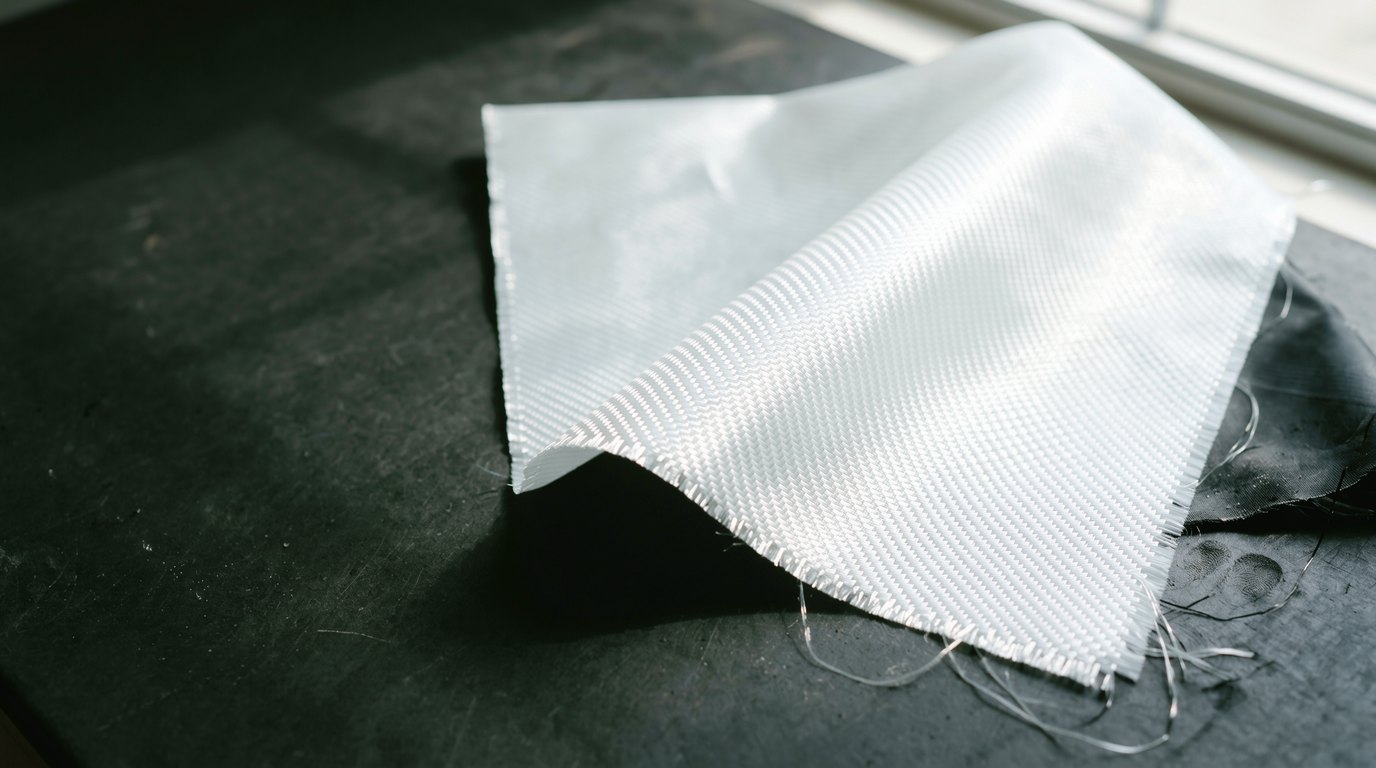
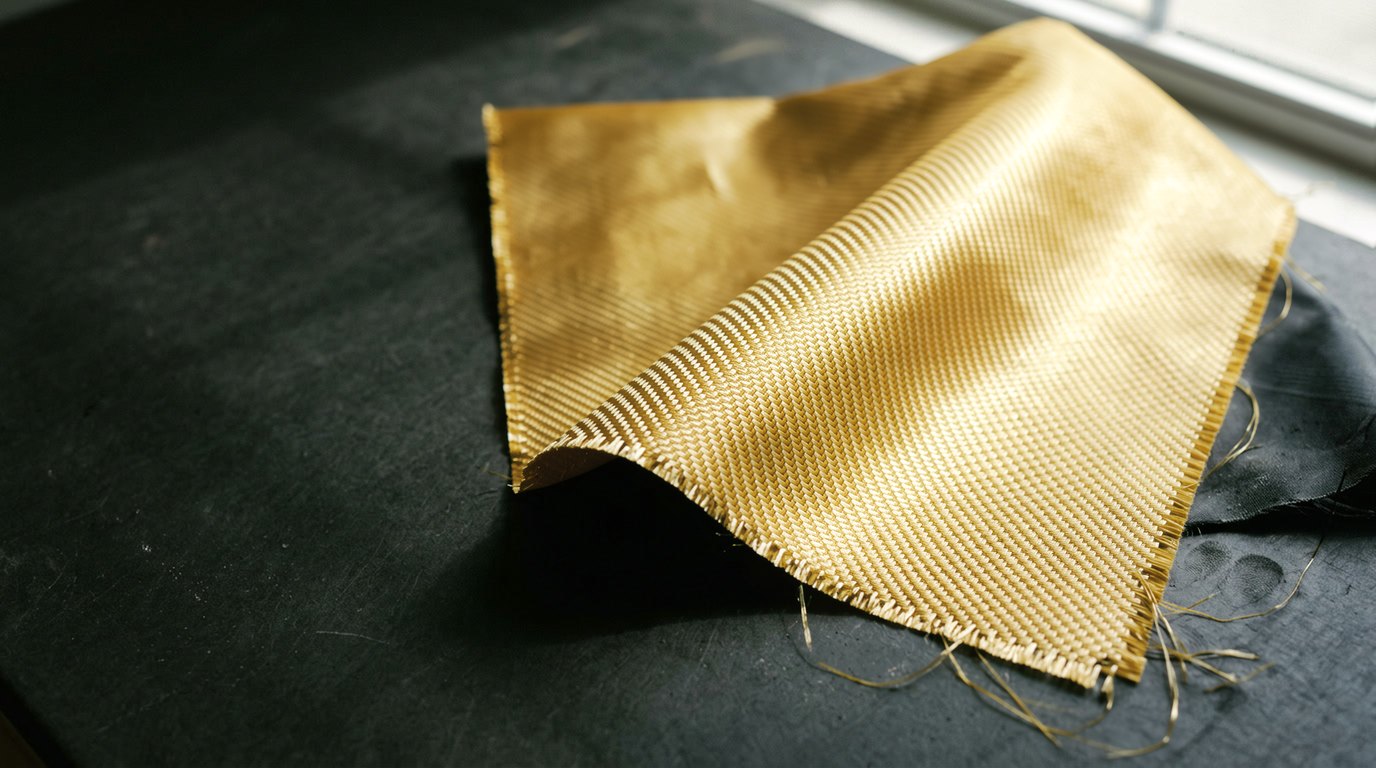
Fiberglass Fabric
Insulating, corrosion- and heat-resistant, and the most economical.
TEi began with glass fibre. Woven in Taiwan.
Four properties of glass fibre
Electrical insulation
Glass does not conduct; carbon fibre does.
Weather and corrosion
For construction reinforcement and industrial structures.
Heat resistance
Used in electrical insulation and similar duties.
Economy
The lowest-cost of the three common reinforcement fibres.
Woven to your spec
- Fibre
- E-glass
- Weave
- Plain, twill, 8-harness satin, leno, jacquard
- Areal weight
- 25–940 g/m²
- Width
- 1000–1270 mm
- Thickness
- 0.025–0.9 mm
- Origin
- Woven in Taiwan · small lots welcome
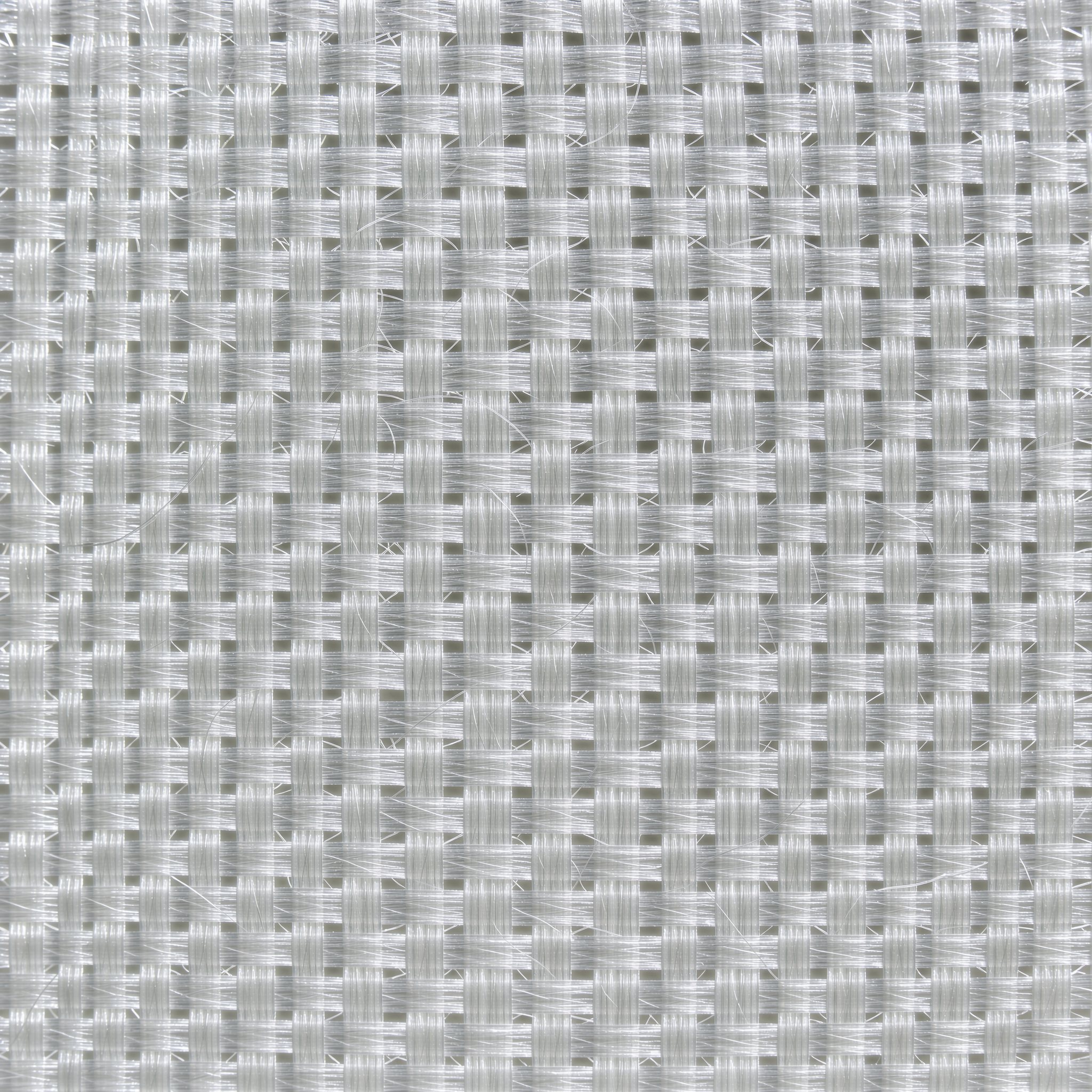
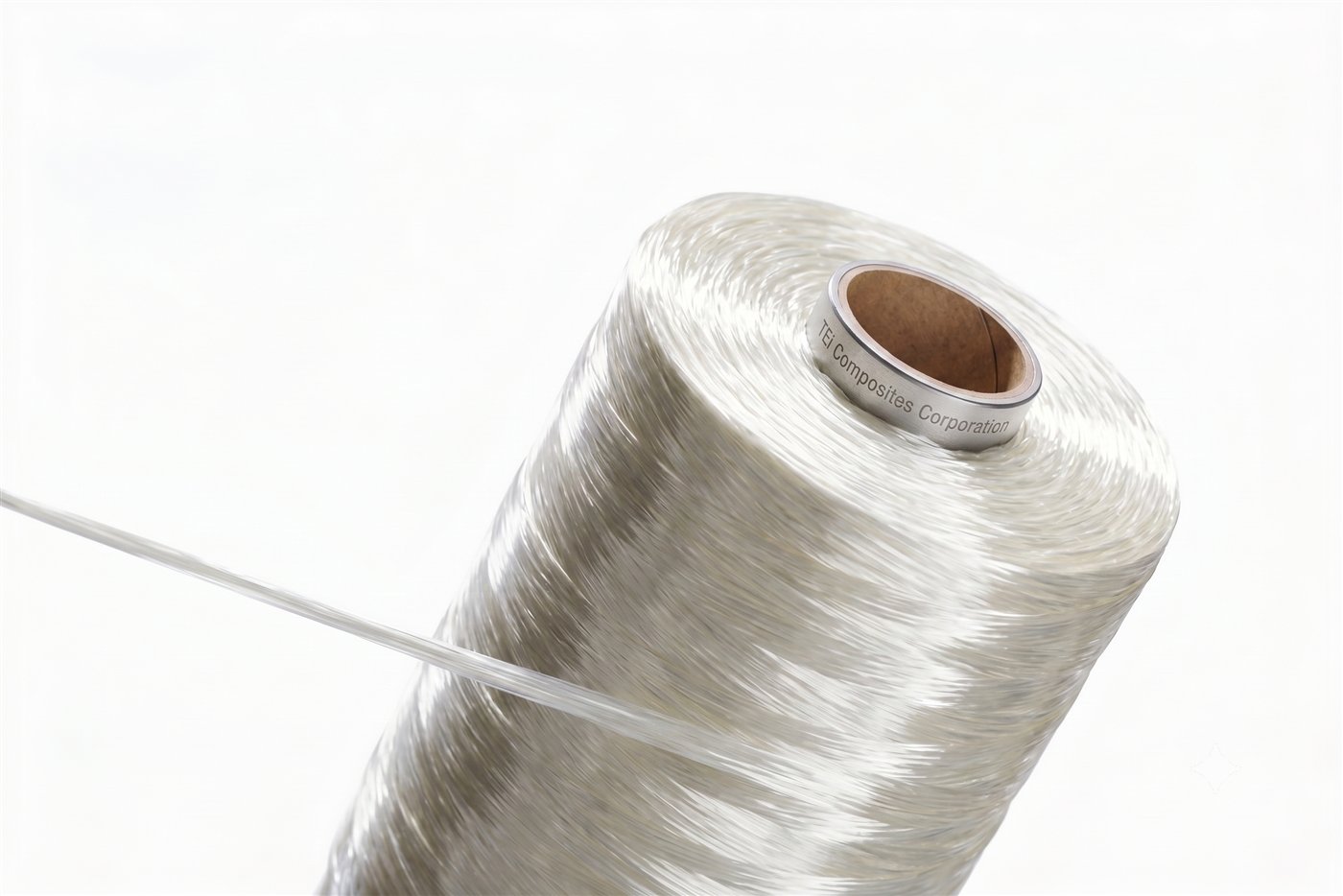
TEi began in 1978 by braiding glass fibre. Today we source E-glass yarn and weave it into fabric in-house in Taiwan: from light 25 g/m² cloth to heavy 940 g/m² fabric, 27 standard articles in all, plus coloured metallized and metallized jacquard glass fabrics for visible parts.
Standard articles are available from stock, and small lots are welcome. For anything beyond the standard range, send us the application and your target spec; from fabric to formed parts, we can develop it with you.
Where it is used
Choose the spec by application; from fabric to formed parts, we develop it with you.
Three product lines
Full article numbers and specifications are in the product catalogue.
Related materials
Frequently asked questions
What is fiberglass fabric used for?
Fiberglass fabric is used for electrical insulation, construction reinforcement and industrial structures, and in composite parts where cost, weather, corrosion and heat resistance matter; coloured metallized and metallized jacquard glass fabrics are used for visible parts. TEi began with glass-fibre braiding in 1978 and weaves in-house in Taiwan.
Fiberglass or carbon fiber: what is the difference?
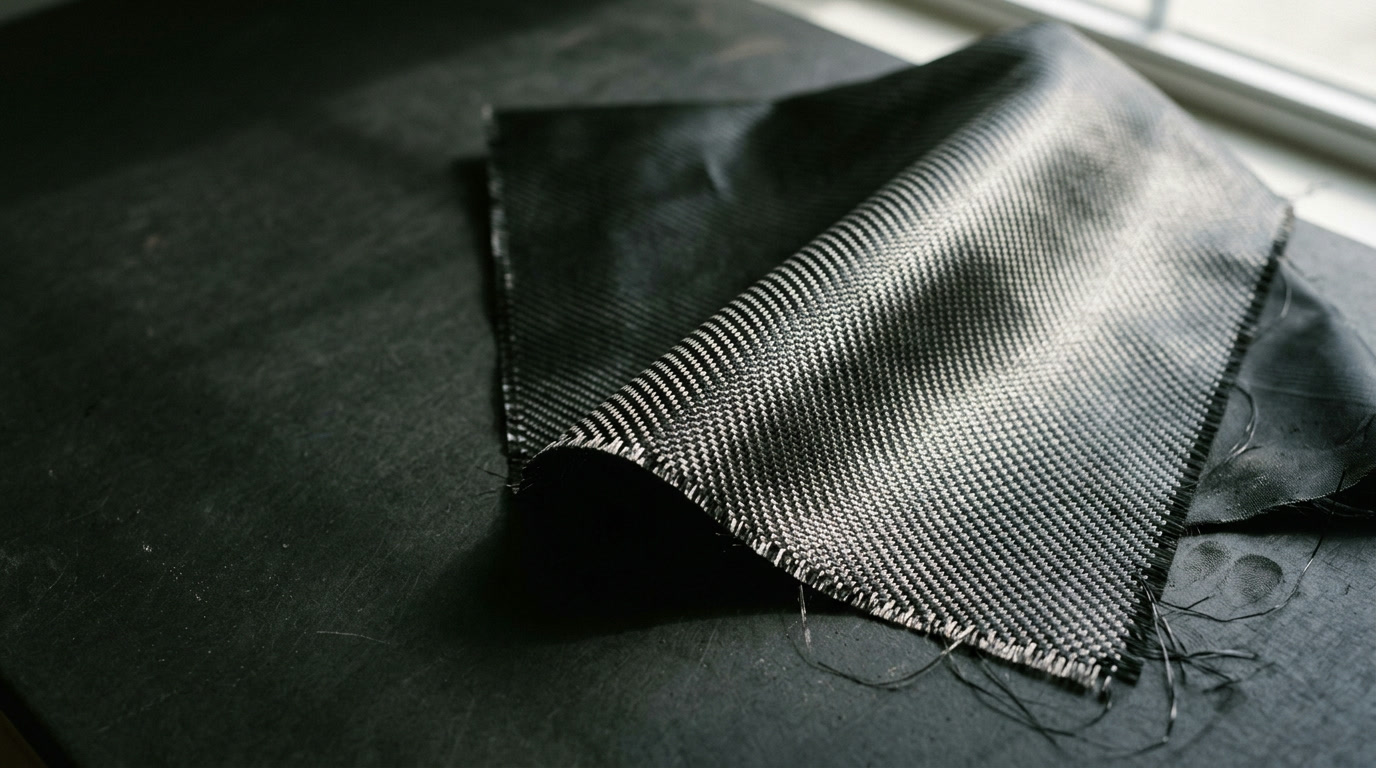
Carbon fiber has roughly three times the tensile modulus of E-glass at about 30% lower density, so it suits designs driven by stiffness and low weight. Glass insulates while carbon conducts; choose fiberglass when cost, electrical insulation or radio transparency matter more. Hybrid fabrics combine the two.
What specifications does TEi offer in fiberglass fabric?
E-glass in plain, twill, 8-harness satin and leno weaves, 25–940 g/m², 1000–1270 mm wide, 0.025–0.9 mm thick, on 50–200 m rolls: 27 standard articles, plus 25 coloured metallized and 25 metallized jacquard glass fabrics. The full specification table is in the product catalogue.
Can I order small lots or request a custom quote?
Yes. Standard articles are available from stock and small lots are welcome. For a specification outside the standard range, send us the application and your target spec and we will quote after review.
Compare fibers, weaves and processes in the composite selection guide →